Government
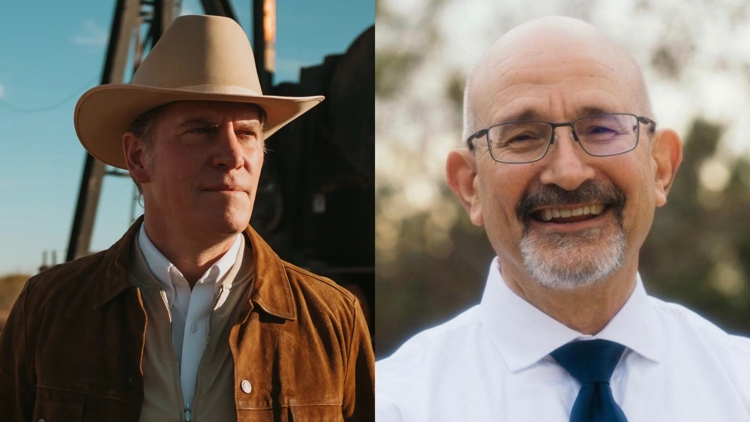
Texas election results: Bo French, Jon Rosenthal in the race for Texas Railroad Commissioner
By Rafael Torres
Advertisement · Why this ad?
Sofia graduated from the University of Texas at Austin and has spent 5 years covering arts and culture for a variety of publications. She finds joy in highlighting local artists and cultural events that enrich the Pasadena community.
More from Sofia →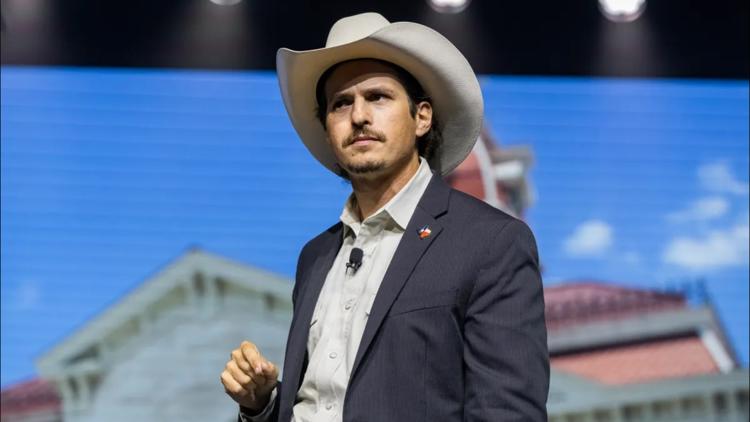
On a sunlit morning in Pasadena, Texas, a gathering of supporters buzzed with excitement as they awaited the arrival of Clayton Tucker, a candidate who is poised to make history. As he stepped onto the stage, the crowd erupted in applause, their faces illuminated by hope and the promise of change. Tucker, a passionate advocate for sustainable agriculture and community empowerment, is on the verge of becoming the first Democratic agriculture commissioner in nearly 40 years. If elected, he will break a long-standing tradition, ushering in a new era for the Texas Department of Agriculture.
Clayton Tucker's campaign is not just about winning an election; it’s about redefining the relationship between agriculture and the community. Tucker, who has been actively involved in local farming initiatives, aims to prioritize sustainability and inclusivity within the agricultural sector. His vision stands in stark contrast to the previous administrations, which have largely been dominated by Republican leadership since Jim Hightower held the office in 1990. Tucker's ascent represents a significant shift in the political landscape, as he seeks to address the pressing challenges faced by farmers and consumers alike.
With a platform that emphasizes support for small farmers, environmental stewardship, and equitable access to resources, Tucker resonates deeply with the community. His commitment to education and outreach aims to empower local farmers, ensuring they have the tools and knowledge necessary to thrive in an ever-evolving market. “We need to invest in our farmers and our communities,” Tucker stated during a recent rally. “It’s time for the Texas Department of Agriculture to reflect the values of all Texans, not just a select few.”
As the election approaches, Tucker’s campaign has gained momentum, attracting a diverse coalition of supporters who believe in his vision for a more equitable agricultural future. His grassroots approach, focusing on community engagement, has set him apart from his opponents, and his ability to connect with voters has fueled enthusiasm across Pasadena and beyond.
The response from the Pasadena community has been overwhelmingly positive. Residents express a sense of optimism that Tucker’s leadership could bring much-needed change to the agricultural landscape. Many local farmers have voiced their support, eager for a commissioner who understands their struggles and is committed to advocating for their needs. “Clayton has always been there for us,” shared Maria Gonzalez, a local farmer who has known Tucker for years. “He genuinely cares about our community and wants to see us succeed.”
Community meetings and forums have been packed as residents engage in discussions about the future of agriculture in Texas. Tucker’s emphasis on sustainability resonates deeply with those who have witnessed the impacts of climate change on their livelihoods. “We need a commissioner who will fight for policies that protect our environment while supporting our farmers,” said James Lee, a Pasadena resident and environmental activist. “Tucker is that person.”
Supporters have rallied around Tucker’s campaign, organizing events and fundraisers to help propel his message forward. Local organizations, such as the Pasadena Chamber of Commerce, have endorsed his candidacy, recognizing the importance of having a commissioner who prioritizes the needs of small businesses and local agriculture. “Clayton’s vision aligns with our mission to support economic growth in our community,” stated chamber president, Linda Martinez. “We believe he can bridge the gap between agriculture and commerce.”
As the election date nears, the energy in Pasadena is palpable. Residents are eager to cast their votes, believing that Tucker’s leadership could lead to a more inclusive and sustainable agricultural future for Texas. Local coffee shops and markets have become informal campaign hubs, where conversations about Tucker's policies and potential impact dominate discussions.
The significance of Tucker’s candidacy extends beyond political boundaries; it resonates deeply within the fabric of Pasadena's agricultural community. The city, known for its vibrant farming culture, has faced numerous challenges, including fluctuating market prices and environmental regulations that have disproportionately affected small farmers. Tucker’s commitment to supporting local agriculture is not just a campaign promise; it is a necessity for many families who rely on farming as their primary source of income.
Moreover, Tucker's focus on sustainable practices aligns with a growing movement among younger farmers who are increasingly concerned about the environmental impact of traditional farming methods. This demographic is crucial, as they represent the future of agriculture in Texas. By advocating for policies that promote organic farming and conservation, Tucker aims to create a more resilient agricultural sector that can withstand the challenges posed by climate change.
In addition to supporting farmers, Tucker’s policies aim to enhance food security for all Texans. With rising food prices and supply chain disruptions, his plans to bolster local food systems and encourage urban agriculture could provide much-needed relief to communities facing food deserts. “We need to ensure that every Texan has access to fresh, healthy food,” Tucker emphasized during a recent town hall meeting. “That starts with supporting our local farmers and creating sustainable food systems.”
Looking ahead, Tucker’s campaign is focused on mobilizing voters and ensuring that every voice is heard in this pivotal election. His team is actively engaging with the community, organizing door-to-door canvassing efforts and phone banking to reach voters who may be undecided. “We want to make sure that everyone understands the importance of this election,” Tucker emphasized. “It’s not just about me; it’s about all of us working together for a better future.”
As early voting begins, Tucker’s supporters are stepping up their efforts, encouraging friends and family to participate in the democratic process. The stakes are high, and the community is rallying behind a candidate who embodies their hopes for a more equitable agricultural system. “This is our chance to make history,” said Gonzalez, her voice filled with determination. “We can’t afford to sit on the sidelines.”
In a state where agriculture plays a vital role in the economy, Tucker’s potential victory could signal a transformative shift in policy and priorities. His commitment to fostering a sustainable agricultural environment aligns with the values of many Texans who cherish their land and communities. As Pasadena prepares for the upcoming election, the community stands united, ready to support a candidate who promises to advocate for their rights and needs.
Clayton Tucker’s journey to becoming the first Democratic agriculture commissioner in nearly four decades is not just a personal milestone; it is a reflection of the community’s desire for change and progress. As the election approaches, the people of Pasadena are rallying behind a candidate who embodies their values and aspirations. Tucker’s commitment to sustainability, inclusivity, and community empowerment resonates deeply, offering a beacon of hope for a brighter agricultural future in Texas.
As voters prepare to head to the polls, one thing is clear: this election is about more than just politics; it’s about the future of agriculture, the environment, and the communities that depend on them. With Clayton Tucker at the helm, Pasadena and the greater Texas agricultural community may finally see the change they have long been waiting for.
By Rafael Torres

By Carlos Martinez

By Carlos Martinez

By David Nguyen