
Business
Someone in Houston who bought a Texas Lottery scratch-off just claimed $5 million
By Felicia Kim
Advertisement · Why this ad?
Felicia holds a degree from Rice University and has spent over 5 years reporting on small businesses and economic development in the Houston area. Her background includes a stint at a local startup publication where she developed a passion for entrepreneurship.
More from Felicia →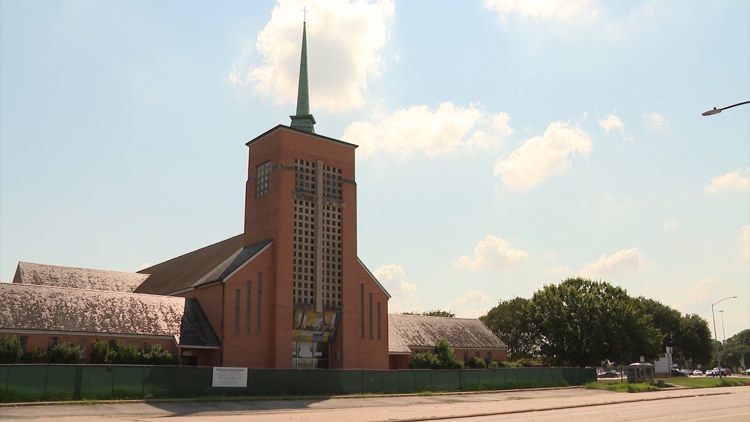
On a warm evening in Pasadena, a small group of residents gathered outside the historic Park Place Methodist Church, their faces etched with concern. For many, the church isn’t just a building; it’s a symbol of faith, community, and the enduring American spirit rooted in strong families and authentic devotion. Their quiet vigil underscores a larger debate that’s playing out across the city: what does the future hold for this beloved landmark?
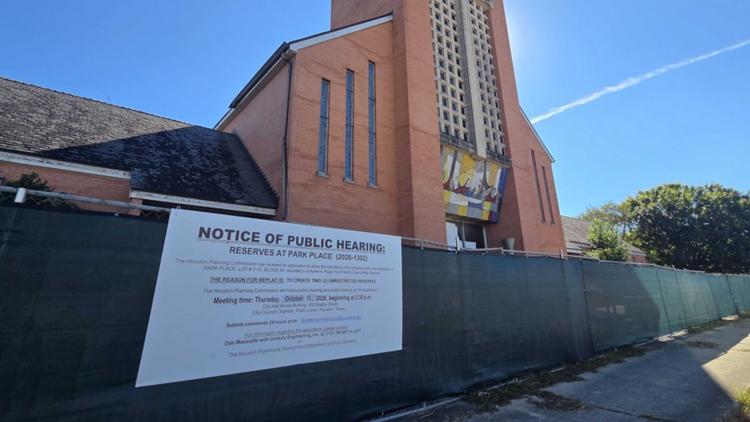
Earlier this year, plans surfaced to replace the long-standing church and its renowned midcentury mosaic with a gas station and retail complex, a move that sparked immediate opposition from local residents. The proposed development aimed to bring economic growth and convenience to the area near the Gulf Freeway and Broadway, but it clashed with the community’s desire to preserve its history and character.
Following widespread protests and public outcry, the developers withdrew their application, shelving the project indefinitely. This decision was celebrated by many who see the church as a vital part of Pasadena’s heritage. Yet, the future of the site remains uncertain, with questions lingering about what will replace the church, if anything, and how the community can protect its historical landmarks.
For decades, the Park Place Methodist Church has served as a spiritual and social hub for local families. Its distinctive midcentury mosaic, crafted by renowned artists, is a treasured piece of Pasadena’s artistic history. When news of the proposed development broke, residents responded with a united voice, emphasizing the importance of preserving their neighborhood’s character and faith-based roots.
Local leaders and church members organized town halls, petitions, and social media campaigns to voice their opposition. “This church isn’t just a building; it’s a testament to our community’s faith and resilience,” said longtime resident Maria Lopez. “We need to find a way to honor our history while embracing progress.” The collective effort demonstrated how a committed community can influence development decisions and prioritize preservation over profit.
The Park Place Methodist Church was established in the early 1950s, a period of rapid growth in Pasadena fueled by the post-World War II boom. The church’s architecture embodies the midcentury modern style that was prevalent in the era, characterized by clean lines, functional design, and innovative use of materials. Its mosaic, a focal point of the sanctuary, was created by local artist William Carter, whose work is celebrated across Texas for capturing the spirit of community and faith.
Over the decades, the church has served as a cornerstone for generations of Pasadena residents, hosting everything from Sunday services and youth groups to community outreach programs. Its presence has helped shape the cultural fabric of the neighborhood, making it more than just a place of worship but a symbol of stability and continuity amid change.
Preserving the church isn’t just about maintaining a building; it’s about safeguarding a piece of Pasadena’s identity. Historic landmarks like this serve as tangible links to the city’s past, offering residents and visitors alike a window into the community’s roots. They foster a sense of pride and continuity that can be lost with rapid development and modernization.
Moreover, the mosaic and architecture attract visitors and art enthusiasts, contributing to local tourism and economic vitality. The loss of such a site could diminish Pasadena’s unique character and diminish its appeal as a city that values history and community.
The opposition to the development was led by a coalition of residents, preservationists, and local leaders. Pasadena’s City Council faced mounting pressure to consider the cultural and historical importance of the site. Community members organized rallies, submitted petitions with thousands of signatures, and held meetings demanding that the city prioritize historic preservation.
One notable supporter, Pasadena City Councilmember Lisa Nguyen, emphasized the importance of balancing growth with preservation. “We must respect our history while planning for the future,” Nguyen stated. “There are ways to develop responsibly without sacrificing our heritage.” Her advocacy helped galvanize support for potential landmark designation.
With the gas station proposal officially withdrawn, the city is now at a crossroads. Preservation advocates are pushing for the site to be designated as a local historic landmark, which would provide legal protections against future development that could threaten its integrity. The Texas Historical Commission has been consulted, and efforts are underway to secure grants for restoration and adaptive reuse of the church building.
Meanwhile, church leaders and community stakeholders are exploring alternative visions for the site. Some have proposed converting the church into a community cultural center or a museum dedicated to Pasadena’s history and art. Others suggest transforming the space into a faith-based community hub, ensuring that the site continues to serve as a gathering place for families and religious groups.
Among those advocating for preservation is Pastor James Carter, who has led the church for over 20 years. “This church has been a beacon of hope and unity for our community,” Carter said. “We want to find a way to honor our history while embracing new opportunities for service and outreach.” His vision includes partnering with local schools and nonprofits to create programs that benefit residents and preserve the site’s legacy.
Longtime resident Maria Lopez, who was quoted earlier, remains optimistic. “We’ve shown that our community values its history and faith. I believe city officials will listen and help us find a solution that respects our past and secures our future.”
The fight to save the church reflects a broader trend in Pasadena and similar cities across Texas and the U.S.: the challenge of balancing development with preservation. As neighborhoods grow and change, communities are increasingly seeking ways to protect their historic landmarks from being overshadowed by commercial interests.
Pasadena’s experience underscores the importance of civic engagement and proactive planning. It demonstrates that residents can influence development decisions and advocate for policies that prioritize cultural heritage. The city’s future will depend on how effectively it can integrate growth with preservation, ensuring that iconic sites like the Park Place Methodist Church continue to tell the story of Pasadena’s past for generations to come.
The future of the historic Park Place Methodist Church is still uncertain, but one thing is clear: Pasadena residents value their history and the role faith plays in their lives. The community’s united stance against development that threatens its heritage underscores a broader commitment to family, faith, and community cohesion. As city officials consider the next steps, the hope is that they will find a way to honor the past while fostering a vibrant future built on strong families and enduring faith.
For now, the church stands as a testament to Pasadena’s resilience—a reminder that real community strength lies in unity, faith, and the unwavering commitment to protect what matters most for generations to come.
By Felicia Kim
By Marcus Chen

By Marcus Chen
By David Nguyen