Community
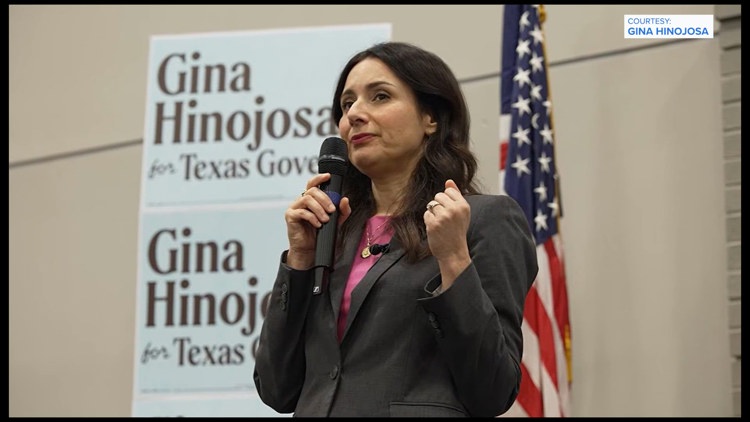
Will Texans get $1,500? What must happen for Gina Hinojosa’s payment plan to become reality
By David Nguyen
Advertisement · Why this ad?
David has a background in sports journalism from Sam Houston State University, where he also served as editor of the university newspaper. Over the past 5 years, he has reported on youth sports leagues in Southeast Texas, showcasing the passion of young athletes.
More from David →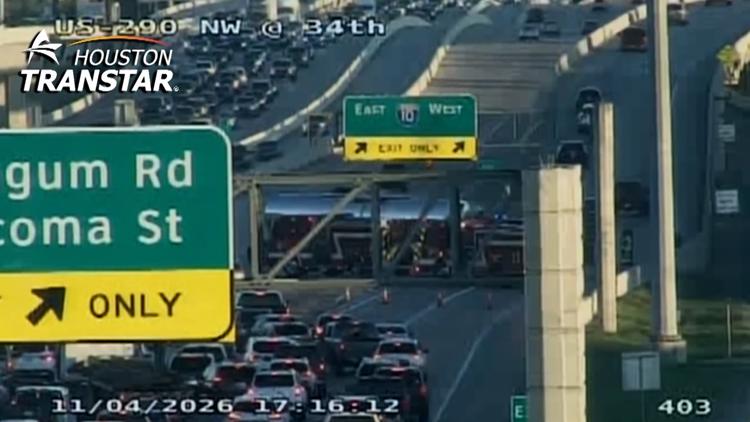
As the sun began to rise over Pasadena, a typical morning commute quickly turned into a scene of chaos. Drivers, coffee cups in hand, found themselves caught in a web of brake lights and frustration as an 18-wheeler jackknifed near the Mangum/Dacoma exit on Highway 290. The sight of the massive truck, twisted and blocking multiple lanes, served as a reminder of how quickly our daily routines can be disrupted.
On a seemingly ordinary Tuesday morning, traffic came to a grinding halt when an 18-wheeler truck lost control and jackknifed, blocking the busy Highway 290. The incident occurred around 7:30 AM, just as rush hour was hitting its peak. The truck's driver, who thankfully emerged without serious injuries, was attempting to navigate the exit when the vehicle skidded, causing it to fold in on itself and obstruct the road.
Emergency services responded swiftly, with Pasadena police and fire crews arriving on the scene within minutes. Their quick action was crucial in managing the situation and ensuring the safety of the other drivers on the road. However, the aftermath of the accident led to significant traffic delays, with backups stretching for miles along the highway.
By 8:00 AM, the Texas Department of Transportation (TxDOT) was already advising commuters to seek alternate routes as the cleanup efforts began. The jackknifed tanker was not just a traffic hazard; it also posed a potential risk for hazardous material spills, prompting officials to take extra precautions during the recovery process.
The local community's response to the incident was one of concern and empathy. Many residents took to social media to express their frustrations over the traffic delays, but there was also a palpable sense of relief that no severe injuries were reported. "I saw the truck on my way to work, and it was a scary sight. I'm just glad everyone is okay," said local resident Maria Gonzalez, who frequently uses the highway for her daily commute.
Families, who were impacted by the traffic snarls, shared their stories of how the incident disrupted their plans. Many parents were late picking up their children from school, while others missed important appointments. "We rely on this highway every day. It’s frustrating when something like this happens, but we understand that accidents occur," noted John Baker, a father of two.
The ripple effect of the accident extended beyond just traffic. Local businesses reported a slight dip in morning sales as customers were caught in the jam. Cafés and breakfast spots typically bustling with early risers saw fewer patrons than usual. However, some businesses took the opportunity to offer discounts to those who were stuck in traffic, turning a frustrating situation into a community-building moment.
"We decided to offer a 'traffic jam special' for those who were stuck waiting. It was our way of supporting the community during a rough morning," said Rebecca, owner of a local coffee shop. Such gestures reflect the strong sense of community in Pasadena, where residents often come together to support one another in times of need.
Among the many stories shared, one stood out: a local nurse, Emily Tran, who works at a nearby hospital, found herself stuck in the traffic jam while on her way to a critical shift. "I was worried I would be late and that it would affect patient care. Thankfully, I made it just in time, but it was a nerve-wracking experience," she recounted. Emily's story highlights the importance of timely commutes in professions that directly impact the health and safety of the community.
Another resident, Marcus Rivera, who was en route to a job interview, expressed his frustration: "This was my chance to turn my life around, and I was stuck in traffic. I ended up being late, but luckily, they were understanding." Marcus's experience sheds light on how such incidents can have far-reaching consequences on individuals' lives, particularly during pivotal moments.
As the cleanup efforts continued throughout the morning, TxDOT crews worked diligently to clear the wreckage and restore traffic flow on Highway 290. By mid-morning, the truck was finally removed from the roadway, and lanes began to reopen, much to the relief of countless commuters who had been stuck in the gridlock.
Looking ahead, local officials are reminding drivers to remain vigilant and cautious, especially during peak traffic hours. "Accidents can happen in the blink of an eye, and we urge everyone to stay alert on the road," said Pasadena Police Chief, Sarah Martinez. This incident serves as a stark reminder of the importance of safe driving practices and the need for community awareness.
In the aftermath of the jackknifed tanker, discussions are being held about improving safety measures on Highway 290, particularly at busy exit points. Community leaders are advocating for better signage and possibly even additional barriers to prevent similar incidents in the future. Local government officials are also considering hosting community forums to gather input from residents on their safety concerns and suggestions for road improvements.
Additionally, there are plans for a public awareness campaign focusing on safe driving habits, particularly for commercial drivers. Local trucking companies may be involved in training programs aimed at reducing the likelihood of accidents like this in the future. Such initiatives are crucial as Pasadena continues to grow, with more vehicles on the road and increased traffic congestion.
While the day began with unexpected challenges, the resilience of the Pasadena community shone brightly as neighbors supported one another through the chaos. As we move forward, let’s remember to stay connected, stay safe, and keep our community strong. Initiatives to foster community resilience, such as neighborhood watch programs and local support groups, could further enhance the collective strength of Pasadena's residents.
In conclusion, the jackknifed tanker incident on Highway 290 serves as a reminder of the unpredictability of daily life and the importance of community solidarity in times of crisis. As residents reflect on this experience, they are reminded of their shared responsibility to maintain safety on the roads and support one another in their daily lives.
By David Nguyen
By Laura Gonzalez

By Laura Gonzalez
By David Nguyen