Sports
Why are there no NBA games on Election Day?
By David Nguyen
Advertisement · Why this ad?
Diana, a proud alumna of the University of Houston, has spent the last 7 years covering sports for local high schools and colleges. Her passion for athletics and deep connection to the Pasadena sports community make her a go-to source for local sports coverage.
More from Diana →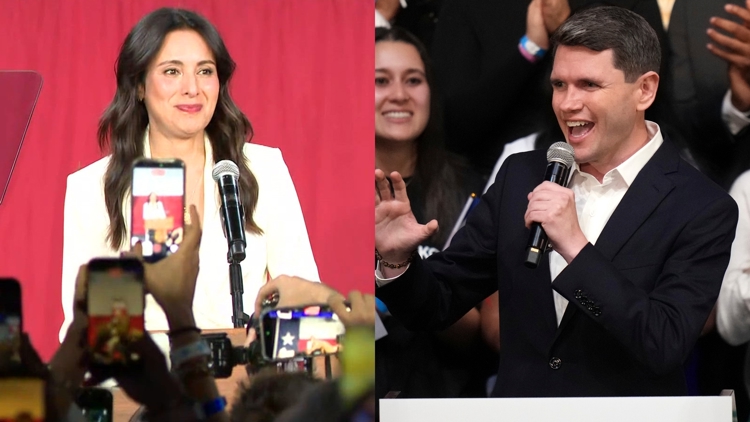
As the sun set over Pasadena, Texas, a palpable excitement filled the air. Families gathered on porches, children played in the streets, and conversations buzzed about the recent political shifts that had turned the local landscape upside down. Just days after the historic wins by Texas Democrats in the 2026 elections, the community felt the reverberations of what some are calling a 'political earthquake.'
In a stunning turn of events, Texas Democrats achieved unprecedented victories in the 2026 elections, marking a significant shift in the state's political landscape. This change has been attributed to a variety of factors, including evolving voting patterns among Latino, suburban, and rural populations. According to analysts, these shifts reflect not just a change in party allegiance but a deeper transformation in the values and priorities of Texas voters.
Latino voters, who have traditionally leaned Democratic, played a pivotal role in these victories. Their turnout surged, driven by a combination of factors including increased engagement from local leaders and grassroots organizations. In Pasadena, local groups worked tirelessly to mobilize voters, emphasizing the importance of civic participation and representation in government.
Suburban areas, once considered strongholds for Republicans, saw a notable shift as well. Many suburban voters, particularly women, expressed their discontent with national issues and sought candidates who aligned more closely with their values. This trend was particularly evident in places like Pasadena, where families prioritize education, healthcare, and community safety.
The response from the Pasadena community has been overwhelmingly positive, with many residents expressing hope and optimism about the future. Maria Gonzalez, a local teacher and community activist, shared her excitement about the election results. "This is a new chapter for us. It feels like our voices are finally being heard," she said, her eyes sparkling with enthusiasm.
Local businesses also felt the impact of the elections. Many shop owners reported an uptick in community engagement and support, as residents rallied around candidates who promised to invest in local infrastructure and small businesses. The sense of unity and shared purpose has been palpable, as families come together to discuss what these changes mean for their future.
The change in political dynamics has sparked conversations across Pasadena. Residents are eager to discuss the implications of these victories on their daily lives. Juan Martinez, a father of three, shared his perspective: "We want leaders who understand our struggles and will work for us. This election has shown that when we come together, we can make a difference."
Several key factors contributed to the Democratic surge in Texas, particularly in suburban and rural areas. One of the most significant was the increased focus on issues that resonate with families, such as education and healthcare. Candidates who prioritized these topics found a receptive audience among voters who felt their needs were not being met.
Moreover, the rise of social media played a critical role in shaping public opinion and mobilizing voters. Platforms like Facebook and Twitter allowed candidates to connect with constituents in real-time, sharing their messages and rallying support in ways that were previously unimaginable. This direct line of communication fostered a sense of community and engagement, encouraging many to participate in the electoral process.
Grassroots organizations were instrumental in driving voter turnout. In Pasadena, local groups organized events, provided resources for voters, and educated the community about the importance of participating in elections. These efforts helped to create a sense of urgency and empowerment, motivating residents to make their voices heard.
Key figures in Pasadena played a crucial role in galvanizing support for Democratic candidates. Among them is Councilwoman Elena Rodriguez, who has been a tireless advocate for educational reform and community development. Her commitment to addressing the needs of her constituents resonated deeply, particularly among young families seeking better opportunities for their children. Rodriguez stated, "We are witnessing a transformation in our community. This is not just about politics; it’s about our future and ensuring that every child has the chance to succeed."
Additionally, local activists like David Kim have been pivotal in mobilizing the youth vote. Kim, who heads a local nonprofit focused on civic engagement, noted, "The younger generation is passionate about issues like climate change and social justice. They are not just voting; they are demanding change, and that energy is contagious." His organization hosted numerous events leading up to the elections, which significantly increased voter turnout among young people.
The implications of these election results extend far beyond the immediate victories. For Pasadena, the future looks bright as residents embrace the opportunity for change. Local leaders are now tasked with delivering on their promises and ensuring that the needs of the community remain a priority.
As families gather to discuss the future, there's a renewed sense of hope in the air. Many are eager to see how these changes will impact local schools, healthcare access, and job opportunities. The community is united in its commitment to holding elected officials accountable and advocating for policies that reflect their values.
In the wake of the elections, several initiatives are being launched to maintain momentum and foster continued engagement. Community forums are being organized to discuss key issues such as public safety, education funding, and healthcare accessibility. These gatherings aim to create a platform for residents to voice their concerns and collaborate on solutions. Local leaders, including newly elected officials, are expected to participate actively, ensuring that the dialogue remains open and constructive.
Moreover, educational workshops are planned to inform residents about their rights and the importance of civic involvement beyond voting. Initiatives like these are crucial for sustaining the enthusiasm generated by the elections and ensuring that the community remains engaged in the political process.
The historic victories by Texas Democrats in the 2026 elections represent more than just a shift in political power; they signify a transformation in the values and priorities of voters across the state. In Pasadena, the community's response has been overwhelmingly positive, with families coming together to celebrate their newfound voice in the political arena. As residents look to the future, they are filled with hope and determination, ready to embrace the changes ahead and work towards a brighter tomorrow.
By David Nguyen

By David Nguyen

By David Nguyen
By David Nguyen