Community
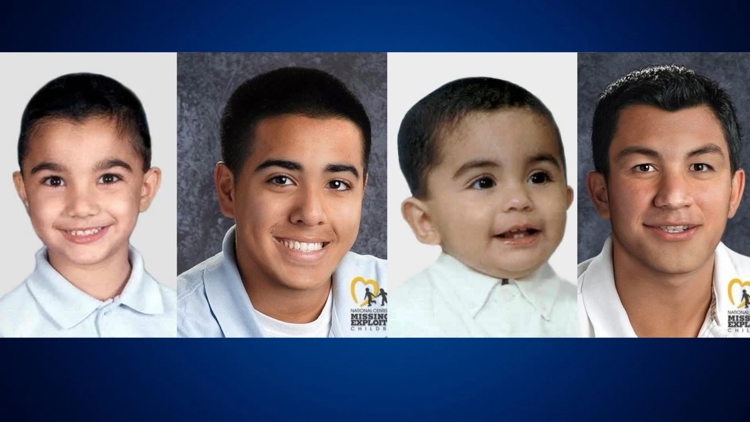
A father accused of abducting his sons, two missing brothers and a mystery spanning decades
By Carlos Martinez
Advertisement · Why this ad?
Laura has over 15 years of experience covering local news across Texas. A graduate of Texas State University, she has previously worked for the Houston Chronicle and was the editor at a local NPR affiliate. She is passionate about community stories that highlight the diverse voices of Pasadena.
More from Laura →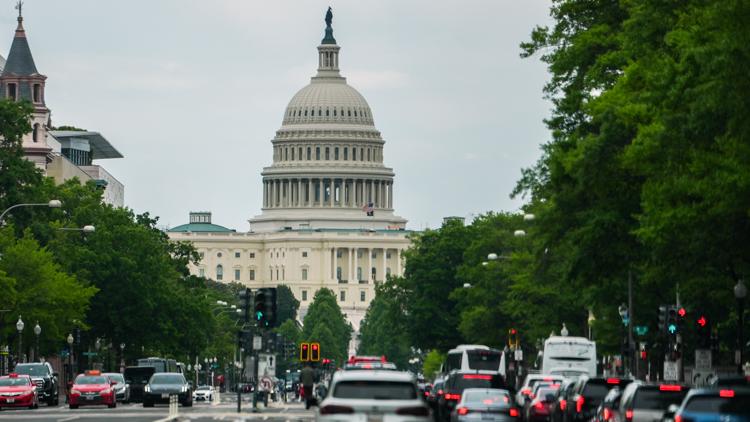
As the sun began to set over Pasadena, casting a warm golden hue on the bustling streets, the conversations among neighbors drifted toward an unexpected topic: the future of their representation in Congress. Families gathered outside, children playing nearby, while adults discussed the implications of redistricting. For many, the upcoming elections are not just about politics; they are about the values and stability that a strong community representation can bring. This year, however, Texas Republicans are facing a surprising reality in their efforts to redraw the U.S. House map.
In a state known for its political maneuvering, recent redistricting efforts by Texas Republicans aimed to gain five additional seats in the U.S. House of Representatives. The strategy, often referred to as gerrymandering, involves manipulating district boundaries to favor one party over another. However, as the election cycle progresses, reports indicate that Republicans might be heading toward losses in two U.S. House seats they already control. This unexpected twist raises questions about the effectiveness of their strategy and the sentiments of voters.
Despite the ambitious redistricting plan, the reality on the ground suggests that the political landscape may not be as favorable as anticipated. Early indicators point to a potential net loss for Republicans, who are now grappling with the consequences of their decisions. The 2022 elections could serve as a pivotal moment, revealing whether the redrawn map will benefit the party or lead to a backlash from constituents.
The residents of Pasadena are not just passive observers in this political drama; they are actively engaged in discussions that reflect their hopes and concerns. Many families are worried about the implications of losing representation in Congress, especially in light of issues that directly affect their lives, such as education, healthcare, and economic stability. Local community leaders have voiced their opinions, emphasizing the importance of having representatives who genuinely understand and advocate for the needs of their constituents.
Maria Gonzalez, a local business owner, shared her thoughts during a community meeting last week. "We need leaders who will listen to us and fight for our families," she said, her voice filled with passion. "It's not just about winning seats; it's about ensuring our voices are heard in Washington." Her sentiment resonates with many in the community who feel that the redistricting process has overlooked their needs in favor of political gain.
Another resident, James Rodriguez, expressed his concerns about the future of local programs that rely on federal funding. "If we lose our representatives, we risk losing vital resources for our schools and community services," he remarked. This sentiment underscores the interconnectedness of local and national politics, emphasizing how decisions made at the top can have real consequences for families in Pasadena.
As the elections approach, the implications of the redistricting efforts extend beyond mere seat counts. They highlight the ongoing struggle for representation in a rapidly changing political landscape. The Texas Republican Party's strategy, once thought to be a surefire way to secure additional seats, is now facing scrutiny as voter sentiments shift. Many voters are increasingly aware of the importance of their vote and the impact it has on their daily lives.
This awareness is particularly evident among younger voters, who are becoming more engaged in the political process. Initiatives aimed at increasing voter turnout among this demographic are gaining traction, signaling a potential shift in the political landscape. As families gather around their dinner tables to discuss their hopes for the future, it becomes clear that the stakes are high for the upcoming elections.
In Pasadena, the community's values play a significant role in shaping political opinions. Many residents emphasize the importance of strong marriages, intact families, and authentic faith as guiding principles in their lives. These values often influence their political choices, as they seek representatives who align with their beliefs and advocate for policies that support family stability and community growth.
As the elections draw nearer, local faith leaders are rallying their congregations to participate in the democratic process. They view this as not only a civic duty but a moral imperative to ensure that their values are represented in government. The intersection of faith and politics is evident in the conversations happening across Pasadena, where residents are motivated by a desire to create a better future for their families.
Looking ahead, the future of Texas Republicans in the U.S. House may hinge on their ability to connect with voters and address their concerns. The upcoming elections will serve as a litmus test for the effectiveness of their redistricting strategy and their overall messaging. If the party fails to resonate with the electorate, they may find themselves facing significant challenges in retaining control of their current seats.
Community engagement will be crucial in the coming months as residents mobilize to make their voices heard. Local organizations are working tirelessly to educate voters about the importance of their participation in the electoral process. Initiatives aimed at increasing voter registration and turnout are gaining momentum, highlighting the community's commitment to shaping their future.
Grassroots movements in Pasadena are playing a pivotal role in mobilizing residents. Organizations such as the Pasadena Community Coalition and the League of Women Voters have been hosting workshops and informational sessions to empower citizens with knowledge about the electoral process. These groups are not only focusing on voter registration but are also addressing critical issues such as civic engagement and the importance of informed voting. The coalition has seen an uptick in participation, particularly among younger residents who are eager to learn how they can influence change in their community.
Additionally, local schools are integrating civic education into their curricula, teaching students about the electoral process and encouraging them to discuss political issues at home. This initiative aims to foster a culture of political awareness among the youth, ensuring that the next generation is equipped to engage in the democratic process.
As Pasadena prepares for the upcoming elections, the conversations among families and neighbors reflect a deeper desire for authentic representation and community values. The redistricting efforts by Texas Republicans may have been aimed at gaining power, but the reality on the ground suggests that the path ahead is fraught with uncertainty. It is a reminder that in politics, as in life, the most meaningful victories come not from manipulation but from genuine connection and commitment to the people we serve.
By Carlos Martinez

By David Nguyen
By David Nguyen
By Laura Gonzalez