Community
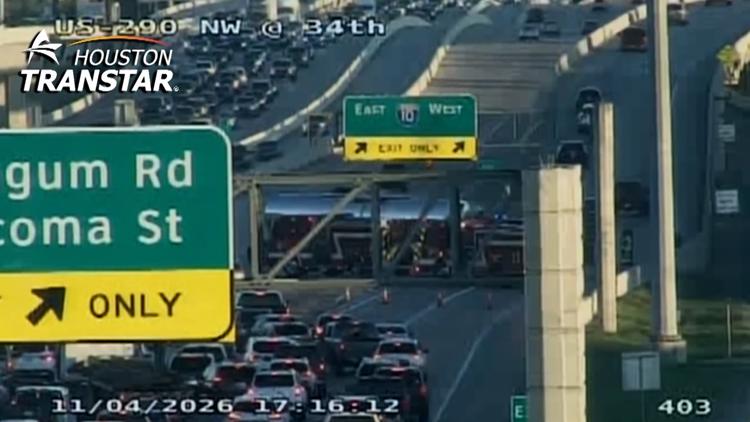
Jackknifed tanker truck shuts down 290 near the Loop
By David Nguyen
Advertisement · Why this ad?
David has a background in sports journalism from Sam Houston State University, where he also served as editor of the university newspaper. Over the past 5 years, he has reported on youth sports leagues in Southeast Texas, showcasing the passion of young athletes.
More from David →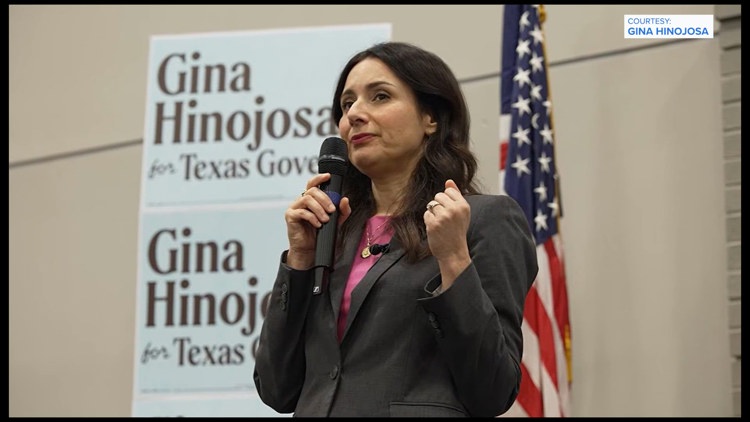
As the sun sets over Pasadena, the vibrant chatter of community life fills the air, with families gathering for evening walks and children playing in the parks. But amidst this picturesque scene, a question looms large in the minds of many: Will Texans receive a $1,500 payment? This inquiry has sparked conversations across the state, as Governor-elect Gina Hinojosa has proposed a bold plan that could potentially put money back into the pockets of Texans.
In a recent announcement, Governor-elect Gina Hinojosa outlined her ambitious proposal to tap into Texas's rainy-day fund, a financial reserve boasting approximately $17 billion. This plan aims to provide $1,500 payments to Texans, offering much-needed relief to families and individuals grappling with rising costs of living. However, while the proposal has ignited hope, it is important to note that no specific payment or distribution date has been set, leaving many to wonder when, or if, this financial boost will materialize.
The rainy-day fund, designed to help the state during economic downturns, has become a focal point in Hinojosa's campaign. Her vision is not only to assist struggling families but also to stimulate local economies by putting cash directly into the hands of Texans. As residents of Pasadena and beyond listen closely, they are left pondering the implications of this proposal and how it might affect their daily lives.
At the heart of Hinojosa's plan is the belief that direct payments can empower families, allowing them to make choices that best suit their needs. This initiative is particularly relevant in a time when many are feeling the pinch from inflation, rising housing costs, and other economic pressures. Hinojosa's approach aligns with the traditional values of family and community, emphasizing the importance of supporting those who are most vulnerable.
However, the path to implementing this plan is not without its challenges. Legislative approval will be crucial, and discussions surrounding the proposal are expected to be intense. Lawmakers will need to weigh the benefits of immediate financial relief against the long-term implications of drawing from the rainy-day fund. As the community watches these developments unfold, the stakes could not be higher for families relying on this potential support.
Residents of Pasadena have expressed a mix of hope and skepticism regarding the proposed payments. For many, the prospect of receiving $1,500 is a welcomed idea that could alleviate financial burdens. Local business owner Maria Gonzalez shared her thoughts, saying, "This money could really make a difference for families like mine. It would help with groceries, bills, and maybe even a little fun for the kids."
On the other hand, some community members remain cautious. They worry about the feasibility of the plan and whether it will actually come to fruition. As one resident put it, "It sounds great, but we need to see action. Promises are easy to make, but delivering on them is where the real work lies." This sentiment reflects a broader desire for accountability and transparency from elected officials, especially when it comes to financial matters that directly impact families.
As the legislative session approaches, all eyes will be on the Texas Capitol, where discussions surrounding Hinojosa's proposal are set to take center stage. The governor-elect has indicated her commitment to advocating for this payment plan, but the road ahead remains uncertain. Lawmakers will need to navigate the complexities of state finances and public sentiment as they deliberate on the proposal.
For residents of Pasadena, this is a pivotal moment. The potential for direct payments could reshape the economic landscape, providing families with the resources they need to thrive. However, it will require collective action and support from both the community and its leaders to make this vision a reality. As families hold their breath in anticipation, the hope for financial relief hangs in the balance.
The impact of Hinojosa's proposed payment plan extends beyond mere financial assistance; it represents a commitment to the well-being of Texas families. By prioritizing direct payments, the initiative seeks to reinforce the values of community and support that are so deeply ingrained in Texas culture. Families that receive this assistance will not only benefit in the short term but may also find themselves better positioned for long-term stability.
In Pasadena, where many families are still recovering from the economic impacts of the COVID-19 pandemic, the proposed payments could provide a significant boost. Local non-profit organizations, such as the Pasadena Community Center, are already preparing to assist families in navigating potential financial aid programs. These organizations play a crucial role in connecting residents with resources that can help them make informed decisions about their finances.
For those who want to stay informed about the developments surrounding this proposal, resources are available through the Texas state website, where updates on legislative actions and community initiatives can be found. Additionally, local organizations like the Pasadena Chamber of Commerce are working to support families and businesses during these uncertain times.
As we look to the future, the question remains: Will Texans receive the financial relief they so desperately need? The answer lies in the hands of lawmakers and the community's ability to rally behind this initiative. With families depending on this potential support, the stakes have never been higher.
In the spirit of unity and hope, Pasadena stands ready to embrace the possibilities that lie ahead. Whether it’s through direct payments or other forms of support, the essence of community shines brightest when we come together to uplift one another. As we await further developments, one thing is clear: the heart of Texas beats strong, and together, we can weather any storm.
As discussions around Hinojosa's proposal gain momentum, community engagement will be essential. Town hall meetings and forums are being organized to gather input from residents and ensure that their voices are heard in the legislative process. Local leaders are encouraging residents to participate actively, as their experiences and insights can shape the conversation and potentially influence lawmakers' decisions.
Moreover, advocacy groups are mobilizing to raise awareness about the importance of this initiative. They are leveraging social media platforms to amplify community stories, highlighting how direct payments could change lives. The goal is to create a groundswell of support that underscores the urgency of the proposal and the necessity for swift action from lawmakers.
The implications of Hinojosa's payment plan extend beyond immediate financial relief. If successful, this initiative could set a precedent for future economic policies in Texas. It raises fundamental questions about how the state allocates its resources and prioritizes the well-being of its residents. The outcome of this proposal could influence how Texas approaches economic support during times of crisis, potentially paving the way for more progressive policies in the future.
As the community watches closely, the stakes are high not just for Pasadena but for Texans across the state. The outcome of this proposal could serve as a litmus test for the effectiveness of direct aid programs and their impact on economic recovery. It is a moment that could define the future trajectory of Texas's economic landscape, making it imperative for residents to stay engaged and informed.
By David Nguyen
By Laura Gonzalez

By Laura Gonzalez
By David Nguyen