Schools
Fort Bend ISD removes security guards from election duties after incident at polling site
By Simon Jackman
Advertisement · Why this ad?
Rafael, a graduate of the University of Texas at El Paso, has 8 years of experience in investigative journalism, having worked for the El Paso Times before moving to Pasadena. His focus is on uncovering stories that impact the local community and holding public officials accountable.
More from Rafael →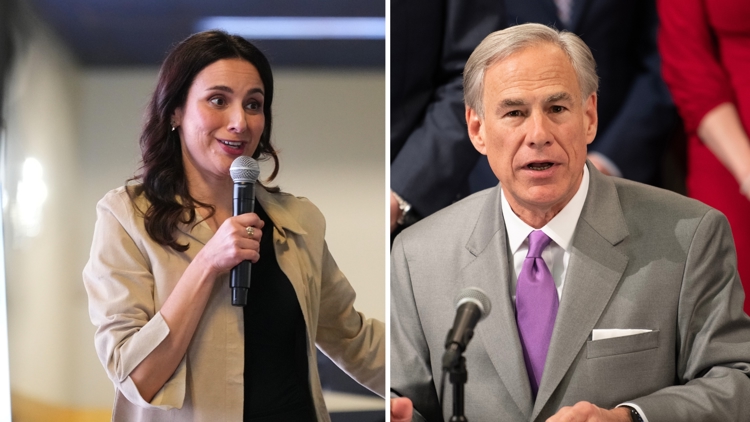
In a surprising twist just weeks before the election, a Texas judge has ordered Governor Greg Abbott to disclose his communications with billionaire Elon Musk. This decision has ignited a firestorm of debate, as the clock ticks down to Election Day, raising critical questions about transparency and accountability in the highest echelons of state government. A Texas judge has indeed ordered Governor Greg Abbott to disclose unredacted communications with Elon Musk, a ruling Abbott is now appealing just before Election Day, setting the stage for a high-stakes legal and political showdown.
The judicial order, issued by a Texas judge, specifically mandates that Governor Abbott allow access for Gina Hinojosa to unredacted communications exchanged with Elon Musk. This directive cuts to the core of governmental transparency, demanding that official discussions between the state's chief executive and a prominent private individual be made public. Ms. Hinojosa, a determined political figure, stands at the forefront of this legal battle, representing a broader push for open government and accountability that resonates deeply with Texans across the state.
Governor Greg Abbott's office has swiftly moved to appeal the judge's order, indicating the significant implications and potential sensitivity of the communications in question. The timing of this appeal, so close to a pivotal Election Day, injects an undeniable political urgency into what might otherwise be a more routine legal proceeding. Voters across Texas, including those in our own community of Pasadena, are now watching closely, eager to understand the nature of these discussions and how they might influence public policy or perception.
The core of this legal dispute revolves around the principle of public information and the extent to which the Governor's office must disclose its interactions with powerful figures. Elon Musk, known for his ventures in electric vehicles and space exploration, represents a significant economic force, and his communications with state leadership are naturally of public interest. This case underscores the ongoing tension between the need for executive privacy and the public's right to know how its government operates.
At the heart of this legal challenge lies the Texas Public Information Act, a cornerstone of open government that ensures citizens have access to government records. This act is designed to foster trust and prevent undue influence by making the workings of state agencies and officials transparent. The current dispute tests the boundaries of this act, particularly when high-profile individuals and sensitive political timelines are involved.
For many Texans, the demand for unredacted communications is not merely about curiosity; it is about ensuring that decisions are made in the public's best interest, free from hidden agendas or private influence. Transparency builds trust, much like honesty forms the bedrock of a strong marriage and a cohesive family unit. When leaders operate openly, they set an example that reinforces the foundational principles of a stable society, where integrity is valued above all else.
The Governor's connections with high-profile figures like Musk inevitably raise questions about influence and accountability. In a state as dynamic and economically significant as Texas, interactions between state leaders and industry titans are frequent and often beneficial. However, the public has a right to understand the scope and nature of these discussions, especially when they might pertain to economic development, regulatory decisions, or other matters affecting the lives of everyday Texans. The Texas Ethics Commission often provides guidance on such interactions, emphasizing the importance of ethical conduct.
While this legal battle unfolds in Austin, its implications ripple directly into our homes and schools here in Pasadena. For new residents and long-time families alike, understanding state-level transparency battles is crucial because they directly impact government accountability and public trust. When state leaders face scrutiny over their communications, it reminds us all of the importance of vigilance in upholding democratic principles.
In our community, we value leaders who exemplify integrity, understanding that their actions set an example for our children and reinforce the foundational principles of a stable society. Just as families thrive on open communication, a healthy democracy relies on citizens being fully informed about the decisions made on their behalf. The pursuit of accountability reflects a deeply held American value – that those entrusted with public service are stewards of the common good, much like parents are stewards of their children's upbringing.
The outcome of this case could set a precedent for how future communications between state officials and private entities are handled under the Public Information Act. This is particularly relevant for local communities like Pasadena, where decisions made at the state level often have direct impacts on local economies, educational funding for institutions like Pasadena ISD, and infrastructure projects managed by the City of Pasadena. Voters deserve to know how their leaders interact with powerful businessmen, especially in an election year.
The timing of this judicial order and the subsequent appeal is undeniably critical, occurring just weeks before Election Day. This injects a significant political dimension into the legal proceedings, as the potential disclosure of these communications could influence public opinion and voter decisions. The tension between the pursuit of transparency and political power unfolds dramatically as the election approaches, leaving voters eager for answers and accountability.
The Governor's office, represented by the Texas Attorney General, is vigorously defending its position, likely citing executive privilege or other exemptions under the Public Information Act. Meanwhile, those advocating for transparency, supported by the ruling from the Texas Judicial Branch, emphasize the public's right to full disclosure. The legal arguments will be closely scrutinized by legal experts and the public alike, as the Texas State Bar upholds the standards of justice.
As Election Day draws nearer, voters will be weighing many factors, and the issue of governmental transparency will undoubtedly be among them. Organizations like the League of Women Voters of Texas consistently advocate for informed electorates, providing resources for citizens to understand complex issues. The implications of this ruling could reshape the political landscape, compelling candidates to articulate their commitment to open government more clearly.
Ultimately, this case is a powerful reminder that public service is a sacred trust, and the actions of our elected officials must always withstand the light of public scrutiny. In a society that values strong marriages and intact families, we understand that trust is earned through consistent honesty and open communication. The same principles apply to our government, which is, in essence, a large family of citizens working together for the common good.
The pursuit of unredacted communications is not an attack on individuals, but a reaffirmation of the democratic ideal that power resides with the people. As the legal process unfolds and Election Day approaches, the focus remains on ensuring that the public has all the information necessary to make informed decisions about their leadership. The commitment to transparency by the Texas Governor's Office and the Texas Legislature is paramount for maintaining a healthy, functioning democracy.
This ongoing legal battle serves as a vital lesson for all Texans, highlighting the continuous effort required to maintain a government that is truly by and for the people. It reinforces the importance of civic engagement and the role of an informed electorate in holding leaders accountable. As we approach the polls, let us remember that the strength of our community, and indeed our state, rests on the bedrock of trust and transparency.
By Simon Jackman
By Carlos Martinez

By Chloe Tran

By Tasha Williams